
Why Only Bugles Survived: The Rise and Fall of General Mills’ 1960s Snack Trio

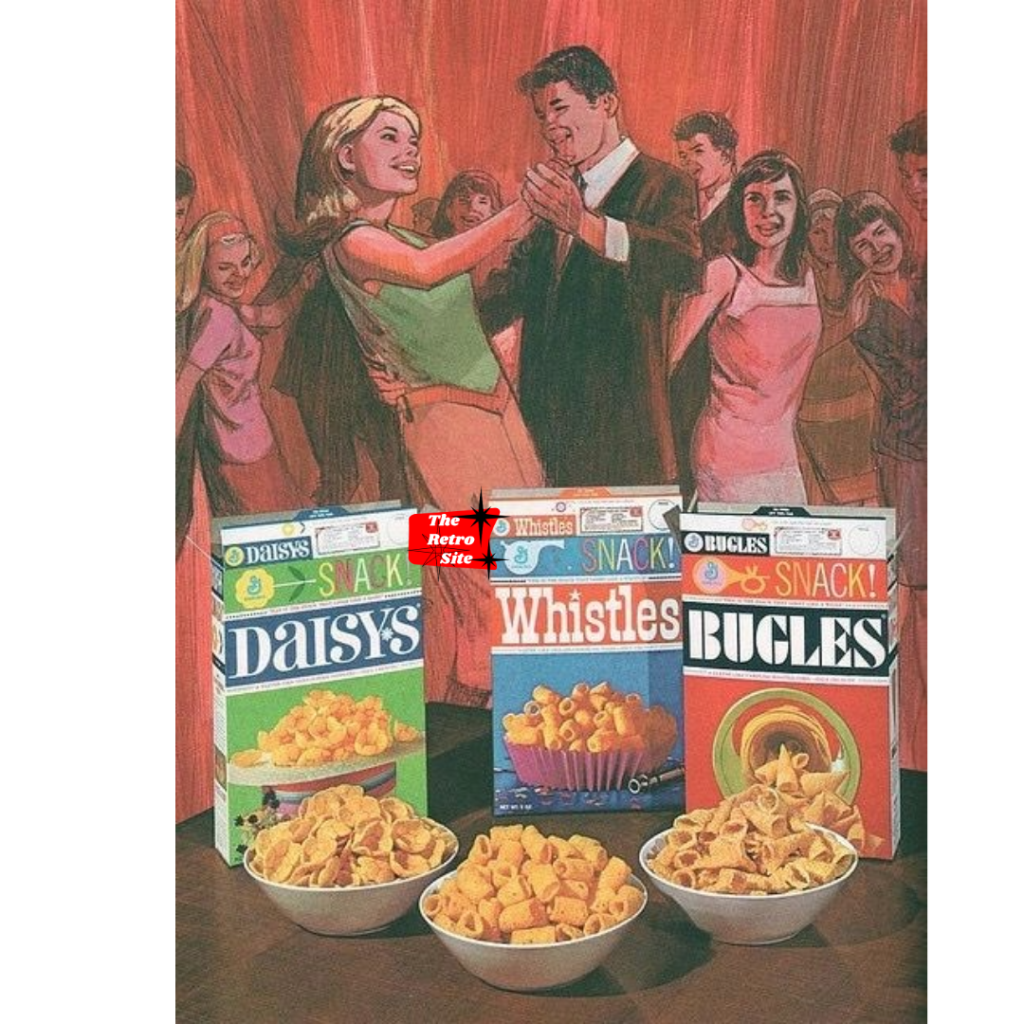
In the 1960s, General Mills launched a trio of corn-based snacks: Bugles, Daisys, and Whistles. Each had its own unique shape and playful branding—Daisys looked like little flowers, Whistles were tubular and could emit a soft sound, and Bugles resembled tiny horns. Marketed together in colorful packaging and lively ads, the three snacks were initially a novelty hit. But by the 1970s, only one remained on store shelves: Bugles.

So, why did Bugles endure while Daisys and Whistles disappeared?

The key lies in Bugles’ distinctive cone shape, which wasn’t just eye-catching—it was interactive. Children and adults alike delighted in placing them on their fingers like claws, turning snack time into a playful ritual. This simple but memorable experience gave Bugles a strong emotional appeal that the others lacked.

Beyond their shape, Bugles also offered a superior texture and flavor delivery. Their light, crispy crunch and hollow form made them ideal for holding seasoning, giving each bite a more satisfying taste. This contrasted with the heavier, less flavorful Daisys and Whistles, which didn’t stand out as much in taste tests or repeat snacking.
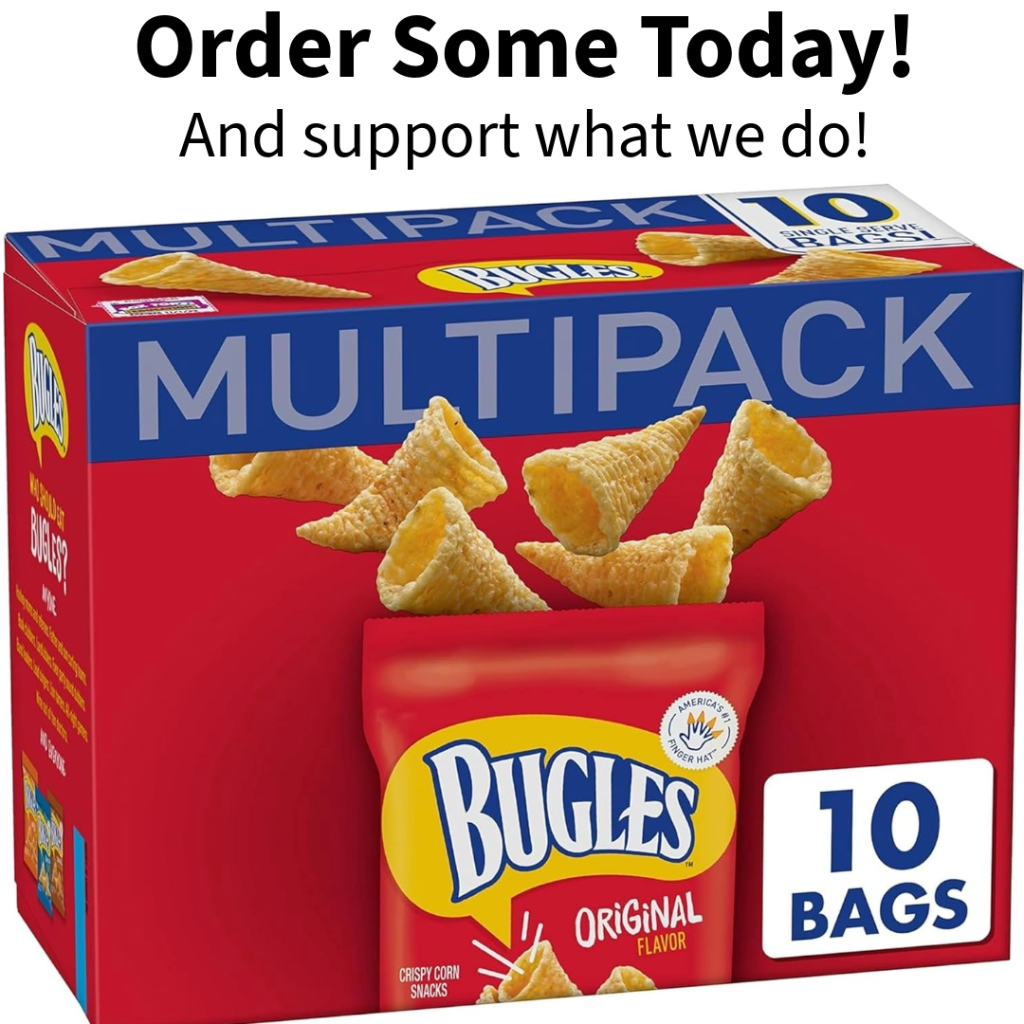
Bugles also benefited from more sustained marketing. General Mills continued to promote them even as interest in the other two waned. While Daisys and Whistles were treated more like novelty items, Bugles were positioned as a versatile snack, fit for everyday munching and party platters alike.

That versatility proved to be a key strength. Bugles found a second life in the kitchen—used in snack mixes, filled with cheese or dips, and even incorporated into desserts. Their shape lent itself to creativity, making them more than just a salty snack.

By the 1970s, as consumer preferences shifted and grocery store shelf space became more competitive, Whistles and Daisys were quietly phased out. Bugles, meanwhile, cemented their place as a staple of American snack culture, with their nostalgic charm and snackable fun helping them survive for over five decades—and counting.

Today, Bugles remain the last horn standing from that original snack lineup, a rare example of a novelty product that transcended its gimmick to become a household name.


Your purchase helps fund Retrosite.com to produce more memories for you through the Amazon Affiliate Program.https://amzn.to/44v4KVO

The Legacy of Dave Thomas: The Heart Behind Wendy’s

https://www.theretrosite.com/wp-content/uploads/2025/06/wendys.mp4

Dave Thomas, the beloved founder of Wendy’s, wasn’t just a fast-food innovator — he was a man shaped by humble beginnings, guided by strong values, and driven by a desire to make life better for others. His story is as memorable as the square burgers that made his restaurant famous.

Born in 1932 in Atlantic City, New Jersey, Dave was adopted as an infant and raised by a working-class couple. He moved frequently throughout his childhood and began working in restaurants at a young age. Though he dropped out of high school at 15 to support himself, he never stopped believing in the importance of education — a belief that led him to earn his GED at age 61.

Before launching Wendy’s, Dave made a name for himself helping turn around struggling Kentucky Fried Chicken franchises. Working directly with Colonel Harland Sanders, he helped revamp operations and marketing. Dave sold his stake in KFC and used the proceeds to open the first Wendy’s restaurant in Columbus, Ohio, in 1969. Named after his daughter Melinda Lou, whose nickname was “Wendy,” the chain was built on a promise of fresh, made-to-order food served with respect and honesty.

One of Wendy’s most distinctive features — its square burger patties — was Dave’s way of saying, “We don’t cut corners.” He wanted customers to see the quality hanging over the edge of the bun. Wendy’s also helped pioneer the drive-thru window, setting a new standard in fast food convenience.

Though initially reluctant to appear in commercials, Dave eventually became the face of Wendy’s. With his warm demeanor and plainspoken charm, he starred in over 800 TV ads and became one of the most recognizable spokespeople in advertising history.

Beyond business, Dave Thomas was a tireless advocate for adoption and children’s welfare. Drawing from his own experience, he founded the Dave Thomas Foundation for Adoption, which continues to help thousands of children in foster care find permanent, loving homes. He also established the Dave Thomas Education Center, encouraging others to pursue their education, no matter their age.

Dave Thomas passed away in 2002, but his legacy lives on — not just in the Wendy’s brand, but in the values of hard work, honesty, and compassion that defined his life. His story is a reminder that you don’t need to cut corners to get ahead — you just need to do what’s right.

Exit mobile version