online community focused on sharing and reminiscing about video, audio, and images that stir our memories of the past – old television, theme songs, commercials, print advertisements, the sights and sounds you remember
The Jerk was a critical and commercial success, grossing over $73 million at the box office. It was nominated for two Golden Globe Awards, including Best Motion Picture – Musical or Comedy, and won the award for Best Motion Picture – Musical or Comedy at the People’s Choice Awards. The film is considered a classic of American comedy and has been praised for its humor, heart, and originality.
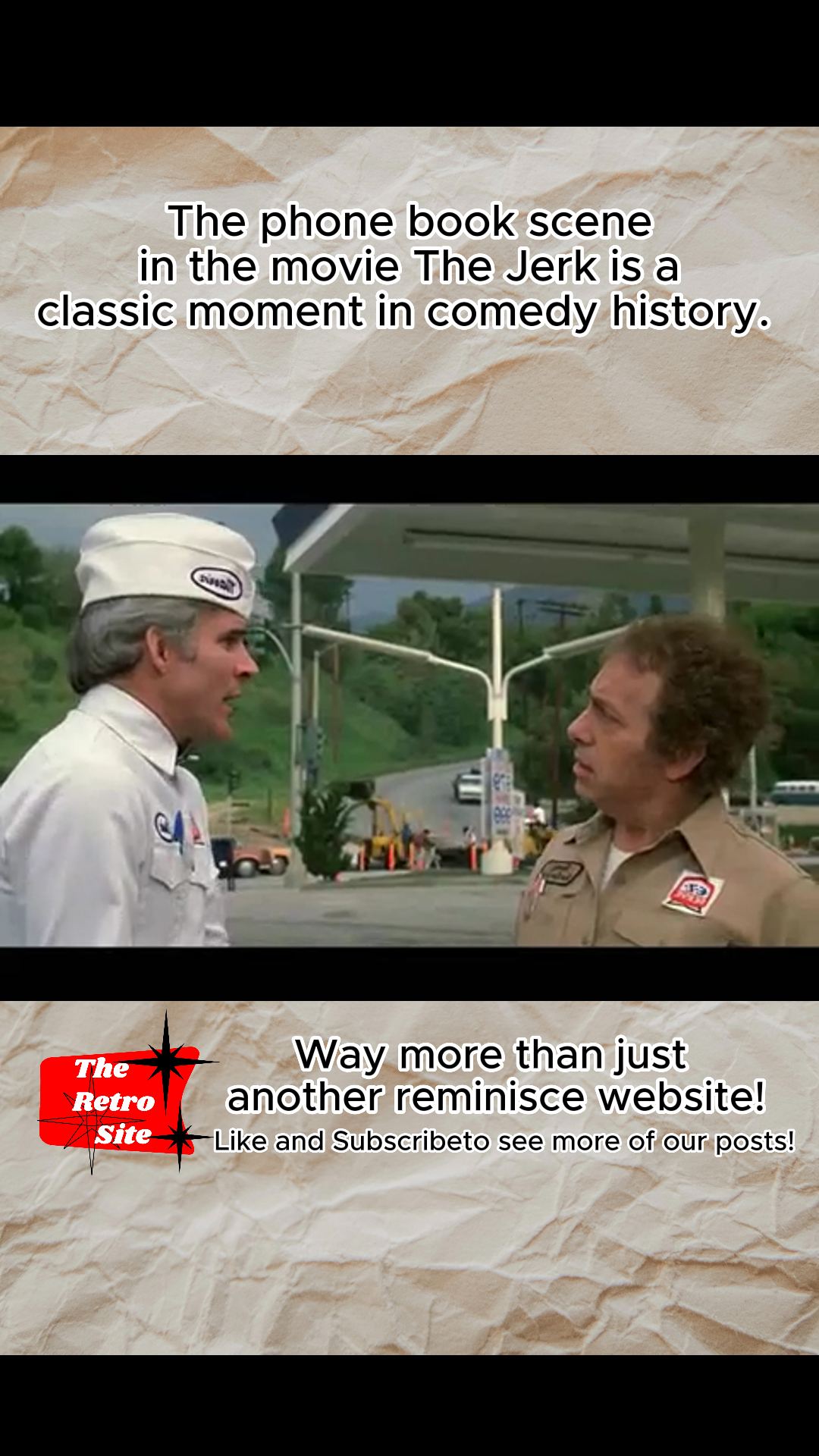
The phone book scene in the movie The Jerk is a classic moment in comedy history.
Navin Johnson (Steve Martin), a naive and optimistic young man, is so excited to see his name in the new phone book
The scene is funny because it captures Navin’s simple joy at being recognized.
It is a reminder that even the smallest things can bring great joy
I’m somebody now! Millions of people look at this book every day! This is the kind of spontaneous publicity – your name in print – that makes people. I’m in print!
The Puzzle Place is an American children’s television series that aired on PBS Kids from 1995 to 1998 The show was set in a magical place called The Puzzle Place, where children could come to learn about different kinds of puzzles The puzzles were used to teach the children about math, science, language arts, and other subjects The show’s episodes often dealt with important social issues, such as bullying, racism, and sexism It became one of PBS Kids’ most popular series on the line-up since Sesame Street Despite its popularity it was replaced by Between The Lions in April 2000.
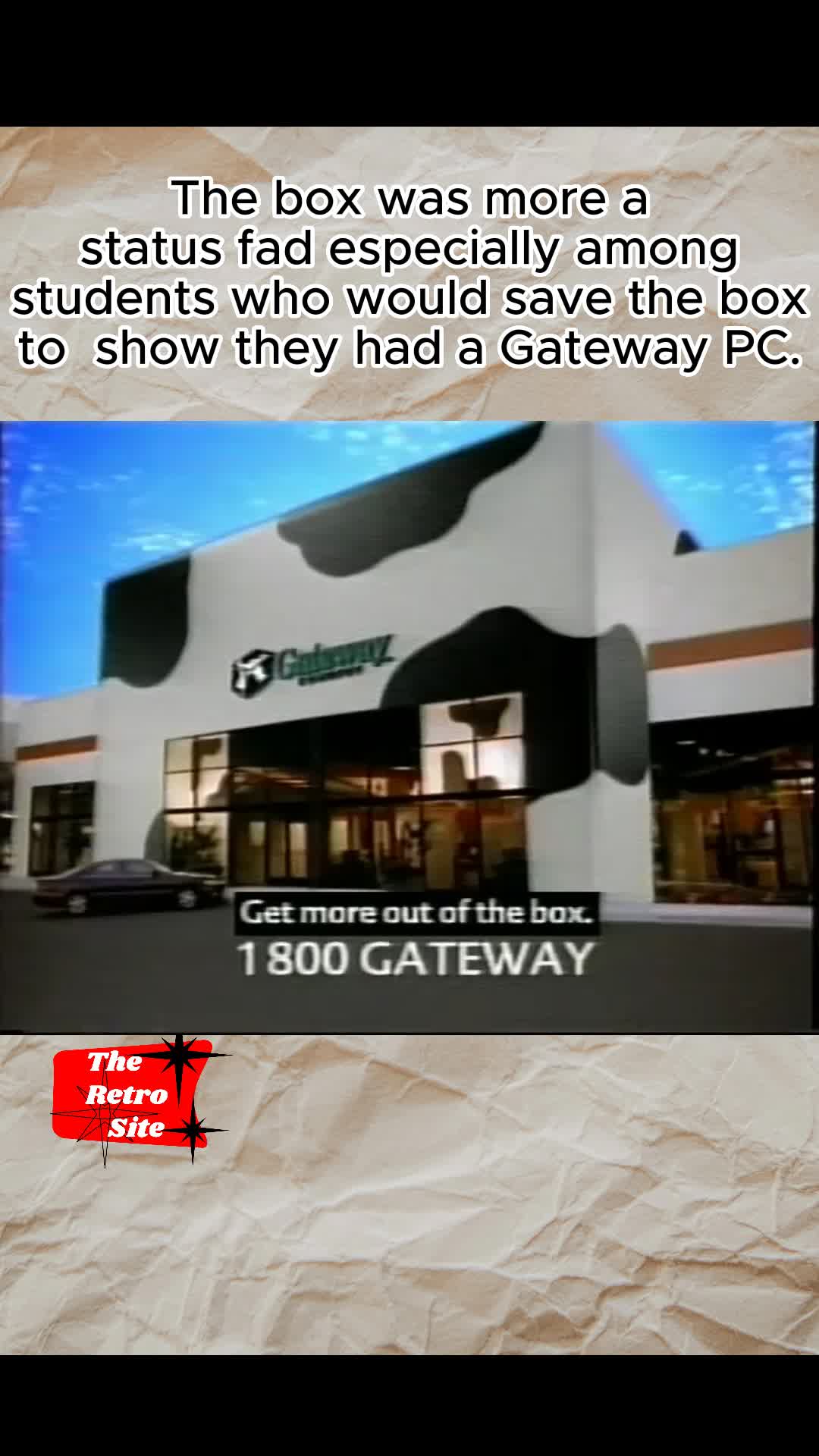
Gateway Computers, also known as Gateway 2000, was a well-known American computer hardware company that played a significant role in the personal computer (PC) industry during the 1990s and early 2000s. Founded in 1985 by Ted Waitt and Mike Hammond in Sioux City, Iowa, Gateway gained popularity for its direct-to-consumer sales model and distinctive cow-spotted boxes.
In its early years, Gateway Computers focused on building and selling high-quality PCs that were aimed at the home market. The company quickly gained attention by offering competitive pricing, attractive designs, and excellent customer service. They became known for their commitment to customer satisfaction and the “Gateway Experience,” which included on-site service and support.
During the 1990s, Gateway’s rise was remarkable. The company expanded its product line beyond desktop computers, adding laptops, servers, monitors, and other peripherals. They capitalized on the growing demand for PCs, especially among home users and small businesses. Gateway became one of the top PC manufacturers in the United States, competing against industry giants like Dell and Compaq.
In 1997, Gateway made a strategic move by acquiring eMachines, a brand known for its low-cost PCs. This acquisition allowed Gateway to reach a broader market segment and further solidify its position in the industry. However, this decision would later contribute to the company’s decline.
Despite initial success, Gateway Computers faced numerous challenges in the early 2000s. The company struggled to keep up with the rapidly evolving technology landscape and changing consumer preferences. They failed to adapt quickly enough to the shift towards portable devices, such as laptops and later tablets, which impacted their market share.
Additionally, Gateway faced increased competition from other PC manufacturers, particularly Dell and Hewlett-Packard (HP), who were aggressively cutting prices and improving their supply chain efficiencies. These factors, along with the bursting of the dot-com bubble and an economic recession, adversely affected Gateway’s profitability.
In an attempt to reverse its fortunes, Gateway underwent various restructuring efforts. They closed their retail stores and shifted towards selling their products through third-party retailers. They also tried to diversify their product offerings by venturing into consumer electronics, including flat-panel TVs and digital cameras. However, these efforts were largely unsuccessful in revitalizing the company.
In 2004, Gateway announced its decision to acquire eMachines, a move aimed at targeting the value-conscious consumer market. This integration resulted in a consolidation of operations and cost-cutting measures, but it failed to bring about a significant turnaround. Eventually, the Gateway brand itself was phased out in 2007 when the company was acquired by Acer, a Taiwanese computer manufacturer.
The fall of Gateway Computers can be attributed to a combination of factors, including the company’s inability to adapt to changing market trends, increased competition, and strategic missteps. Despite its decline, Gateway remains a notable part of PC industry history and serves as a reminder of the rapid evolution and competitiveness of the technology market.
There was nothing more magical than taking your kids to ToysRUs where there were toys as far as the eye could see. Watching them dart from one end of the aisle to the next in sheer excitement was such a joy to witness. Somehow I don’t see how online shopping can be as magical.
At its peak in 2000 ToysRUs had over 1,600 stores worldwide. ToysRUs failed to capitalize with an online prescience which accelerated its demise. The company also faced financial difficulties due to high debt levels resulting from a leveraged buyout in 2005. n 2017, Toys “R” Us filed for bankruptcy protection in the United States and Canada. Despite efforts to reorganize Toys “R” Us announced in March 2018 that it would liquidate its U.S. operations and close all of its stores. There is a ToysRUs.com now, but somehow it’s not the same as seeing the magic in your kids’ eyes at the store.