Have You Retired And Return Back To Work?

Have you ever found yourself stepping back into the workforce after retirement? You’re not alone. In Florida, a growing number of retirees are returning to work in 2025, driven by financial pressures and a desire for engagement.

Rising Costs Prompt Return to Work

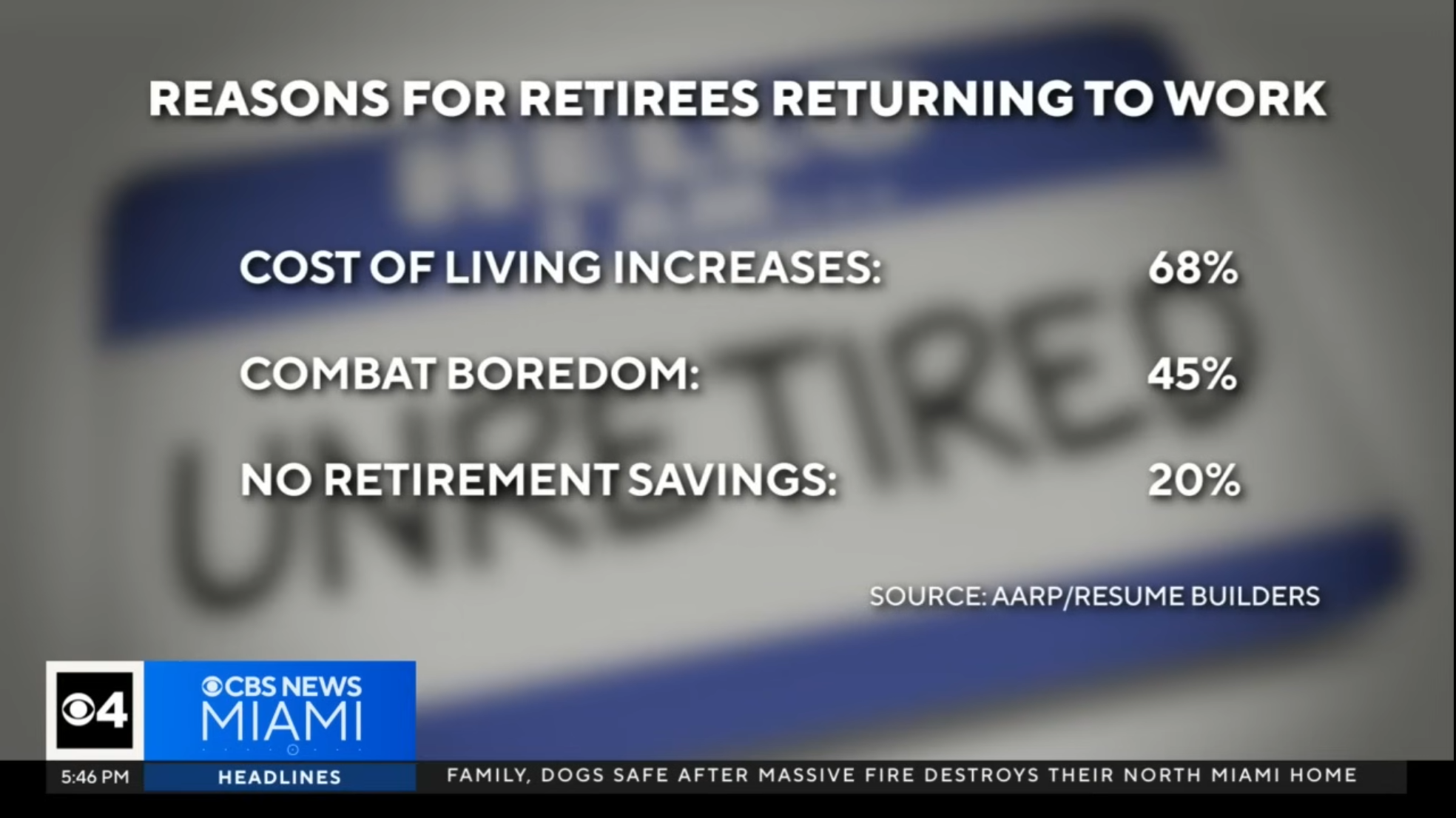
A Resume Builder survey indicates that 13% of retirees aged 65 to 85 plan to reenter the workforce this year. Among them, 51% cite the escalating cost of living as the primary reason, while 37% report having no retirement savings. MoneywiseCBS News

Take the case of Janette Campbell, a retired teacher from Miami. Facing challenges in affording her mortgage and groceries, and supporting an ill husband and a grandson with autism, she felt compelled to seek employment again. CBS News+1Moneywise+1

Financial Strains on Fixed Incomes

Many seniors rely solely on Social Security, which has seen a decline in purchasing power. Maritza Lopez of AARP’s Community Service Employment Program notes that some retirees receive as little as $500 to $1,000 monthly, insufficient to cover rising expenses. CBS News+3Tampa Bay Times+3The Motley Fool+3CBS News

The Motley Fool reports that 62% of retirees have reduced nonessential spending due to inflation, with 44% struggling to afford groceries and 40% facing difficulties with utility bills. The Motley Fool


Housing Costs Add to the Burden

Florida’s housing market has seen significant increases. The median home sale price reached $411,100 in December 2024, up from approximately $250,000 five years prior. Condo association fees in Miami-Dade County have also surged, with median monthly fees rising to $900, a 59% increase since 2019. CBS News+1Moneywise+1Moneywise

Seeking Purpose Beyond Finances

Not all retirees return to work solely for financial reasons. Philip Williams, a former grants administrator, now works part-time at a charter school in Miami Springs. While he doesn’t need the income, the role keeps him engaged and supports his passion for playwriting. CBS News+1Moneywise+1Moneywise+1CBS News+1

This trend, sometimes referred to as the “Quiet Return,” highlights a shift where retirees seek both financial stability and meaningful engagement. As Julia Dattolo of CareerSource Palm Beach observes, seniors return to work due to economic necessity, the desire for social interaction, and personal interest. Broward CountyMoneywise+1Broward County+1

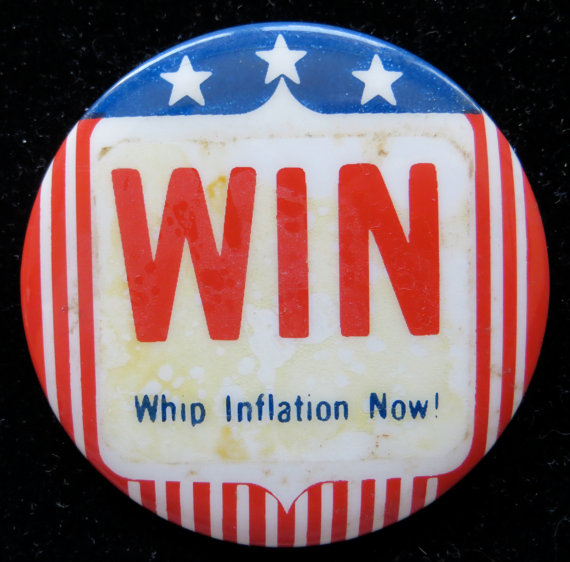
In The 70’s, This Is How We Whipped Inflation…

“WIN buttons” from the 1970s refer to a campaign launched by U.S. President Gerald Ford in 1974 called “Whip Inflation Now” (WIN). The campaign was part of Ford’s effort to combat the high inflation that plagued the U.S. economy during the mid-1970s.

Background

  • After the 1973 oil crisis and years of government spending on the Vietnam War and social programs, the U.S. faced rampant inflation.
  • President Ford addressed Congress on October 8, 1974, proposing a range of voluntary measures for Americans to curb inflation, such as conserving energy and reducing spending.

The WIN Campaign

  • WIN buttons were handed out as a form of patriotic encouragement. Americans were urged to wear them to show their commitment to fighting inflation.
  • The idea was that grassroots efforts—like saving money, avoiding waste, and boosting productivity—would help stabilize prices.

Public Reaction

  • The campaign was widely mocked and is often remembered as a failed public relations stunt.
  • Critics said the campaign lacked substance and placed too much responsibility on individuals rather than addressing deeper economic policies.
  • Some even wore the WIN buttons upside down, so they read “NIM”—interpreted as “Need Immediate Money.”

Legacy

  • Despite its failure, the WIN campaign is a memorable example of 1970s-era economic policy and presidential messaging.
  • It’s often cited in history and economics classes as a case study in how not to handle economic crises with symbolism over substance.

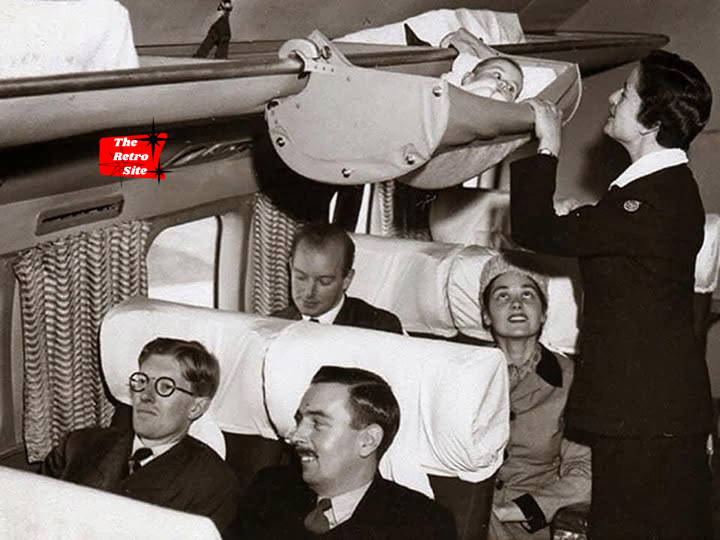
Nothing Says ‘Baby Safety’ Like a Canvas Hammock Over Your Head at 30,000 Feet

This vintage photo shows a fascinating glimpse into air travel from the 1950s. What you’re looking at is an old airplane cabin featuring an unusual amenity: a baby bassinet suspended above the seats, mounted to the overhead luggage rack.

These airborne bassinets were part of early commercial airliners’ efforts to accommodate families traveling with infants. The baby appears to be safely tucked into a canvas-style cradle, and a flight attendant is checking on the child while passengers below watch or relax.

This setup would never meet today’s safety standards, but at the time, it was seen as a convenient way to let parents rest while the baby was secured overhead.

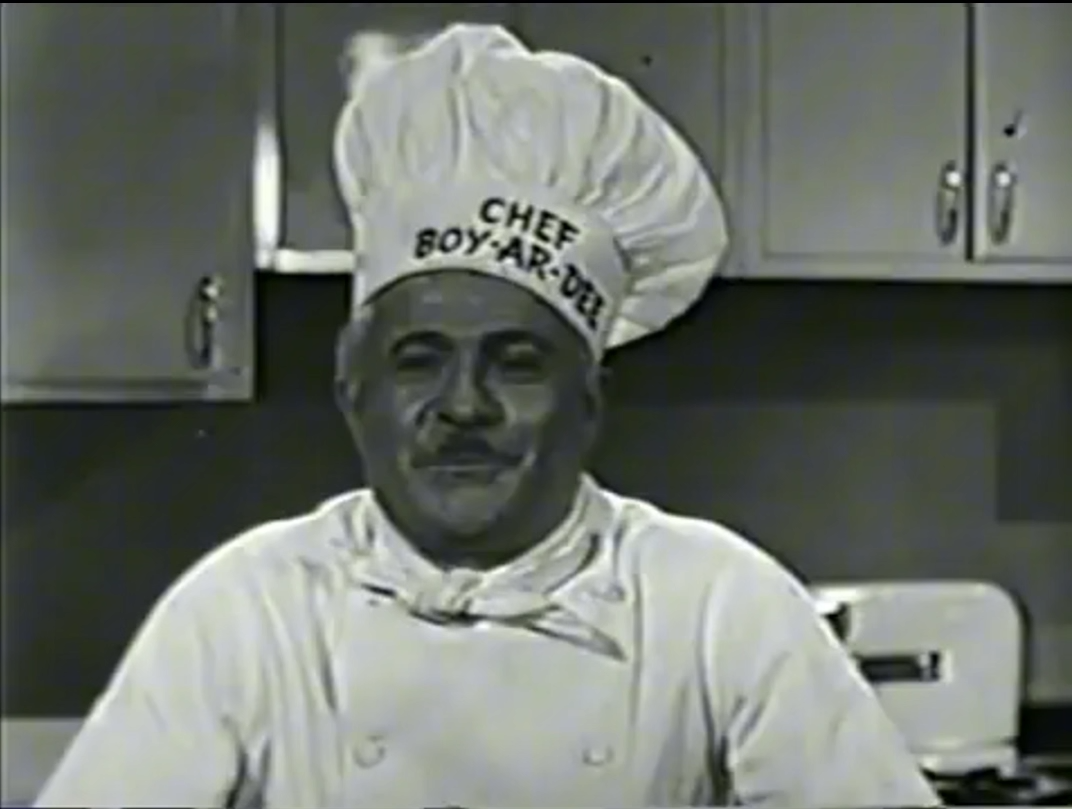
Chef Boyardee Was A Real Person

While many recognize the smiling chef on the label of Chef Boyardee cans, few realize he was a real person: Ettore Boiardi, an Italian immigrant whose culinary legacy continues to feed millions.

Born in Piacenza, Italy in 1897, Boiardi immigrated to the United States in 1914. By his twenties, he had already made a name for himself as a talented chef, even helping cater President Woodrow Wilson’s wedding reception at The Greenbrier Hotel. Eventually settling in Cleveland, Ohio, Boiardi opened his own restaurant, Il Giardino d’Italia, in 1924.

Customers loved his food so much that they began asking for takeaway portions of his pasta and sauce. To meet demand, Boiardi and his family started bottling his recipes, using old milk bottles to package his now-famous tomato sauce. In 1928, this side project officially became Chef Boy-Ar-Dee—a phonetic spelling that helped American consumers pronounce his Italian name.

The brand quickly expanded and gained national recognition. During World War II, Boiardi’s factory pivoted to produce rations for U.S. soldiers overseas, earning him a Gold Star award from the War Department for excellence in wartime production.

Know when your packages arrive and help support our page!

Today, the Chef Boyardee label—now owned by ConAgra Brands—remains a household name. It continues to produce popular products like beef ravioli, spaghetti and meatballs, and beefaroni, all while keeping the iconic image of Boiardi on its packaging.

Far from being just a convenient canned meal, Chef Boyardee is a story of immigrant success, culinary passion, and American ingenuity—one spoonful at a time.

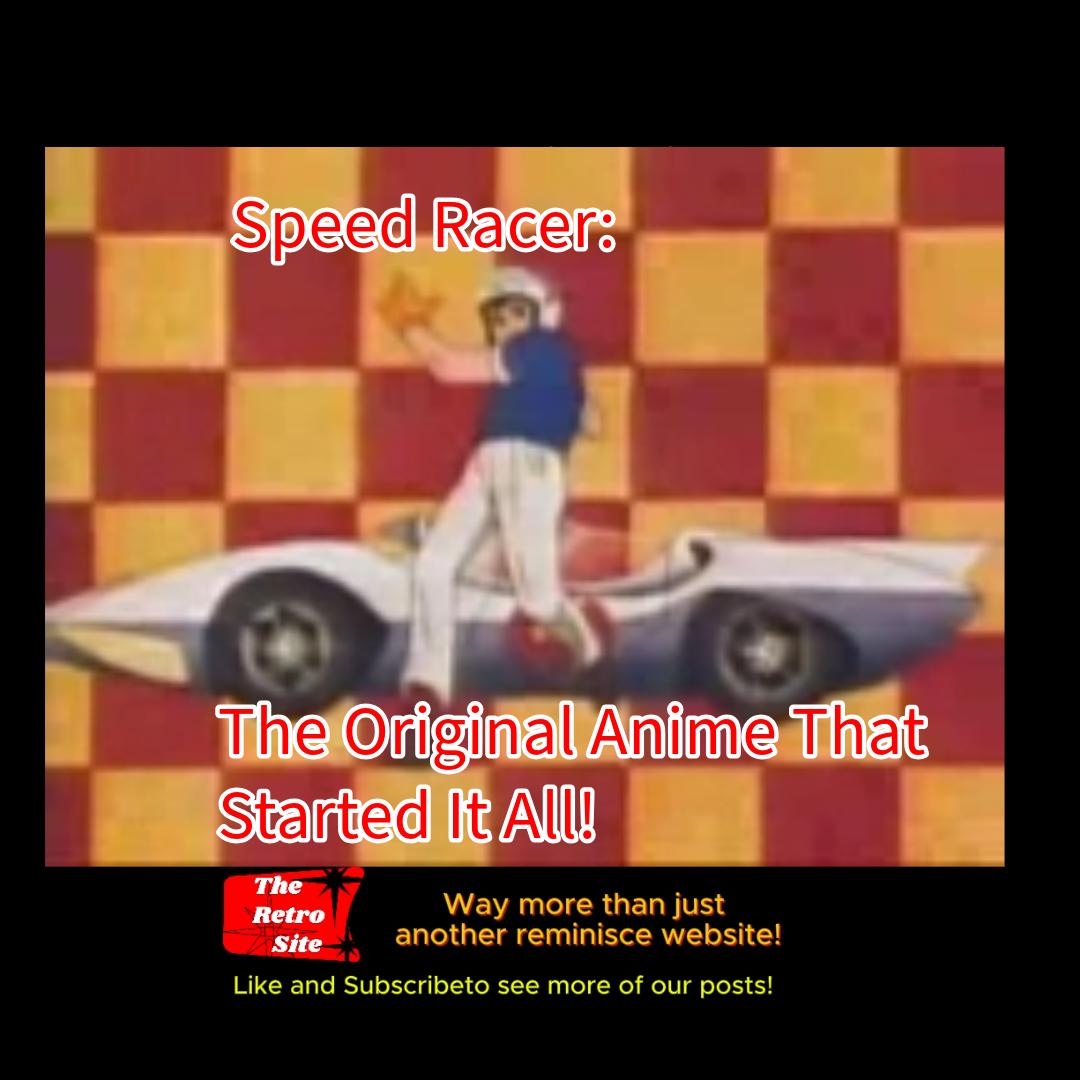
Speed Racer: The Original Anime That Started It All!

https://www.theretrosite.com/wp-content/uploads/2025/04/Speed-Racer.mp4

More than five decades after it first hit TV screens, Speed Racer (Mach GoGoGo) remains one of the most iconic cartoons ever made. With its lightning-fast dialogue, unforgettable characters, and high-octane races, the show didn’t just entertain—it shifted pop culture into high gear.

As fans continue to celebrate this beloved anime’s legacy, let’s take a look back at seven fun and fascinating facts from the original 1967 season.


🎬 1. One Season, 52 Episodes, Endless Action
Though often referred to in seasons today, the original Speed Racer ran as a single 52-episode season in Japan. This massive run delivered a full year of non-stop racing and drama, later broken into segments for U.S. syndication.


🎤 2. The English Dub Was Done on the Fly
Without original scripts or translations, the American voice actors had to get creative—really creative. Peter Fernandez, who voiced Speed and also wrote the English dialogue, improvised much of the script based on visuals alone. The result? That famously fast-paced delivery fans know and love.


🚗 3. The Mach 5’s Gadgets Showed Up Early
Speed’s legendary ride came fully loaded from the start. Season 1 introduces viewers to the Mach 5’s amazing arsenal, from rotary saws and auto jacks to underwater capabilities. Each button (A through G) had a purpose—and a cool name to match.


🤐 4. Racer X’s Identity Was a Secret—But Not for Viewers
One of the show’s key emotional arcs revolves around Racer X, Speed’s mysterious rival. But here’s the twist: while Speed is kept in the dark, audiences learn Racer X is his long-lost brother Rex as early as Episode 6.


🐵 5. Spritle and Chim-Chim Were in (Almost) Every Episode
Speed’s younger brother and his chimpanzee sidekick were more than comic relief—they were practically omnipresent. Whether hiding in the Mach 5’s trunk or sneaking into the pit crew, Spritle and Chim-Chim became fan favorites, known for their mischief and matching red-striped hats.


🌀 6. Recycled Animation Became a Signature Look
To keep up with production demands, the show frequently reused footage—especially during races and dramatic expressions. These shortcuts turned into iconic stylistic choices that still define the look of vintage anime.


🏆 7. Unforgettable Episodes Set the Tone
Several standout episodes from Season 1 cemented Speed Racer’s place in history:

  • “The Great Plan” (Eps 1–2): The origin story and Mach 5 reveal.
  • “The Mammoth Car” (Eps 7–8): Featuring a mile-long crime machine.
  • “The Most Dangerous Race” (Eps 27–29): An intense, multi-part arc with high stakes and wild stunts.

Over 50 years later, Speed Racer remains a turbo-charged piece of animation history. Whether you’re a lifelong fan or a newcomer to the track, it’s clear this show was—and still is—built for speed.

Keep Porch Pirates At Bay !! Be Notified WHEN Your Packages Arrive!! No Subscription Fees!!

Who Remembers Wild & Crazy Kids?

https://www.theretrosite.com/wp-content/uploads/2025/04/nic.mp4

Wild & Crazy Kids was a popular Nickelodeon game show that aired from 1990 to 1992, totaling 65 episodes over three seasons. The show featured large teams of children competing in a variety of fun and often messy physical challenges, such as obstacle courses, water balloon fights, and relay races. These games were typically set in outdoor locations like parks and beaches, contributing to the show’s energetic and adventurous atmosphere. Wikipedia​

The original hosts were Omar Gooding, Donnie Jeffcoat, and Annette Chavez. In the second and third seasons, Jessica Gaynes replaced Chavez. Wikipedia The show was known for its high-energy format and emphasis on teamwork and fun.​

Wild & Crazy Kids was part of a wave of Nickelodeon game shows in the 1990s that emphasized interactive and physical play. It later aired in reruns on Nickelodeon Games and Sports for Kids (Nick GAS), a network dedicated to game shows and sports-related programming for children.

Keep porch pirates at bay! No subscription fees!

Yahooo! Mountain Dew

https://www.theretrosite.com/wp-content/uploads/2025/04/MD-vid.mp4

When PepsiCo acquired Mountain Dew in 1964, they pushed the brand nationally and leaned hard into its folksy, hillbilly image to appeal to rural and Southern audiences, which made for some pretty wild early TV spots. Hillbilly mascot: “Willy the Hillbilly” was the cartoon character used in the TV spots and on packaging. He wore a floppy hat, overalls, and had a shotgun. The early ads were animated and featured slapstick humor, lots of moonshine-like bottles popping open, and backwoods antics. They emphasized lines like “Ya-hoo! Mountain Dew!” and “It’ll tickle yore innards!” The ads had banjos, jugs with XXX labels (a moonshine reference), outhouses, and old-timey mountain settings. While the hillbilly theme was eventually phased out in the 1970s in favor of a more youth-oriented, high-energy image, those early ads helped Mountain Dew gain a loyal base. Today, the contrast between the hillbilly roots and the current “Do the Dew” extreme sports vibe is part of what makes Mountain Dew’s branding history so unique.

Keep porch pirates at bay!

The RetroSite is a participant in the Amazon Services LLC Associates Program, an affiliate advertising program designed to provide a means for sites to earn advertising fees by advertising and linking to Amazon.com. As an Amazon Associate, we earn from qualifying purchases.

Takes A Licking, But….

https://www.theretrosite.com/wp-content/uploads/2025/04/Timex-Complete-1.mp4

🕰️ Timex: A Watch That Made History
Founded in 1854 as the Waterbury Clock Company in Connecticut, Timex began by making affordable timepieces for everyday Americans. The brand reinvented itself in the 1940s with a sleek new name—Timex, a blend of “Time” and “Kleenex”—to match its modern, mass-produced watches known for durability and reliability.

But it wasn’t just engineering that made Timex a household name—it was television, and one unforgettable man.

🎙️ John Cameron Swayze, a former NBC news anchor turned enthusiastic pitchman, became the trusted face of Timex in the 1950s. He hosted live commercials that put the watches through outlandish “torture tests”: strapped to outboard motors, frozen in ice, dropped off buildings, even attached to a jackhammer. Time and time again, the watch survived, and Swayze would deliver the now-legendary line:

“It takes a licking and keeps on ticking.”

📺 That catchy slogan, born in a golden era of live TV and hard-sell advertising, helped Timex become one of the best-known and best-selling watch brands in the world. Even today, the phrase still echoes as a symbol of toughness and timeless style.

Know when packages arrive! No subscription fees.

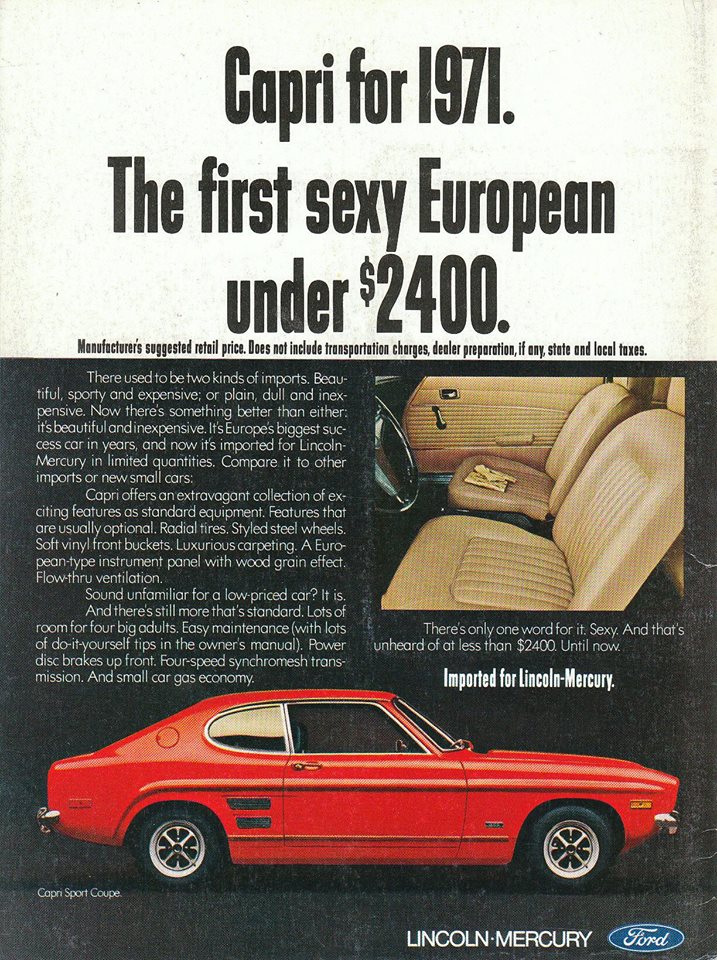
1971 Ford Capri: Europe’s Affordable Pony Car

The 1971 Ford Capri was a sleek, sporty coupe built by Ford of Europe and marketed as “the car you always promised yourself.” Designed to be the European counterpart to the Ford Mustang, it featured a long-hood, short-deck fastback style and rear-wheel drive, delivering a true driver’s car experience at an accessible price.

Offered with a wide range of engines—from modest 1.3L and 1.6L inline-4s to punchier 2.6L and 3.0L V6s (especially in the UK)—the Capri catered to casual drivers and performance enthusiasts alike. U.S. versions were sold under the Mercury badge and featured slight styling tweaks to meet local regulations.

With its lightweight build, distinctive styling, and customizable trims, the 1971 Capri became an icon of ‘70s motoring, earning a devoted following and a legacy as Europe’s answer to the muscle car.

FotoMat: The Iconic Drive-Thru Photo Kiosk

https://www.theretrosite.com/wp-content/uploads/2025/04/Fotomat.mp4

📅 Founded in 1965 – FotoMat started in the mid-1960s and quickly became a recognizable part of suburban America. The company was originally based in Florida.

🏢 Boom in the 1970s – By the late 1970s, FotoMat had over 4,000 kiosks across the U.S., often found in shopping center parking lots. They were a common sight in suburban neighborhoods.

🕰 Innovative for Its Time – At its peak, FotoMat was considered revolutionary because it provided fast photo processing before one-hour labs existed. Customers could drop off film and pick up their prints the next day—something unheard of at the time!

💰 Acquired by Kodak – In 1980, Kodak bought FotoMat, hoping to use it to expand its film processing services. However, as technology advanced, demand for film development began to decline.

🎥 Early VHS Rental Pioneer – Before Blockbuster and Hollywood Video, FotoMat was one of the first companies to offer movie rentals by mail in the early 1980s. Customers would order a VHS or Betamax movie from a catalog, and it would be delivered to a nearby kiosk for pickup.

📉 The Decline – The rise of one-hour photo labs, drugstore processing, and eventually digital photography made FotoMat less relevant. By the early 2000s, the brand had all but disappeared.

🏗 Repurposed Kiosks – Many former FotoMat booths were converted into coffee stands, smoothie shops, flower kiosks, and even small banking kiosks. Some still exist today with new uses!

Get notified when your packages arrive!

Exit mobile version