The Magic of Cracker Jack Prizes: When Cheap Toys Meant Everything

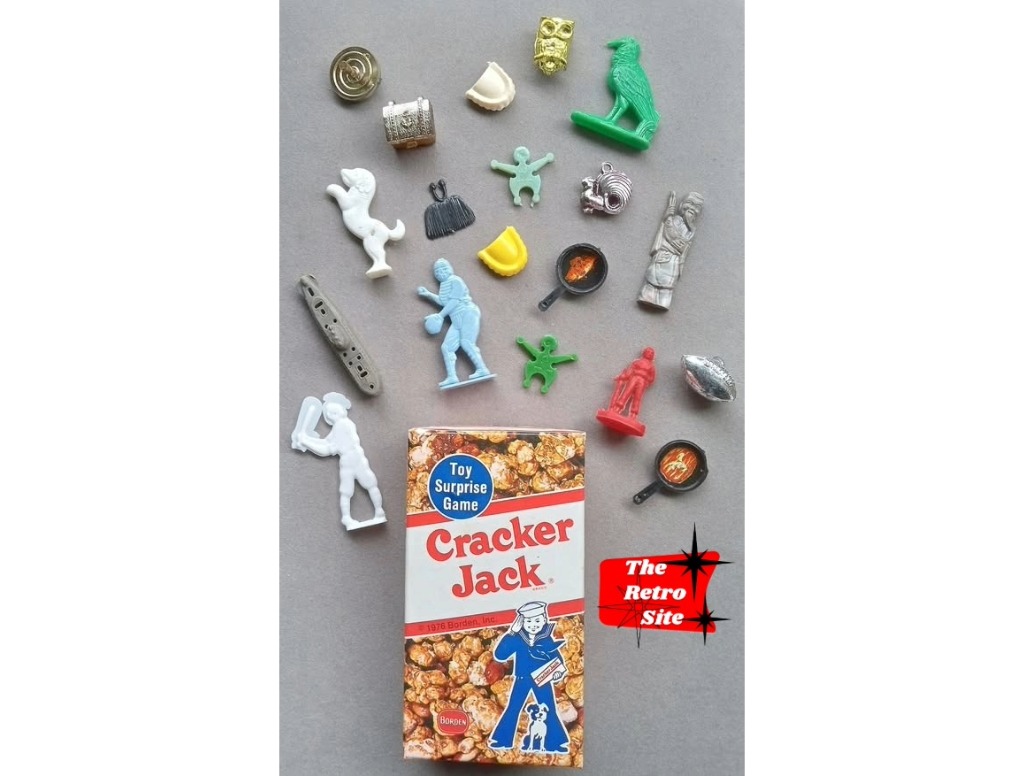
For generations, opening a box of Cracker Jack wasn’t just about caramel popcorn and peanuts—it was about the prize. That tiny mystery tucked inside the box carried a kind of excitement that felt outsized compared to its actual worth. And let’s be honest: most of those prizes were cheap plastic trinkets. But somehow, they were still better—way better—than what came later.

Back in the day, Cracker Jack prizes had personality. You might get a little figurine, a miniature tool, a whistle, a ring, or some oddball toy that didn’t quite make sense but still felt like treasure. They were often flimsy, sometimes poorly made, and rarely lasted long. But that didn’t matter. The real value was in the surprise—the moment of discovery as you dug through sticky popcorn fingers hoping to find that little paper sleeve.

For many of us, the appeal wasn’t even about collecting or keeping them. It was curiosity. What did I get this time? Would it be something cool, weird, or completely useless? That mystery was the whole experience. You didn’t expect quality—you expected possibility.

Then came the shift.

As the years went on, those tangible little toys started disappearing, replaced by paper prizes—stickers, puzzles, codes, and eventually those tiny folded booklets. Technically, they were safer and cheaper to produce. But they lacked something essential. They didn’t feel like a “prize.” They felt like filler.

A plastic figurine—even a badly molded one—had presence. You could hold it, toss it, lose it under the couch, or carry it around for a day. A booklet? You glanced at it once and it was gone. No weight, no imagination, no staying power.

That change marked more than just a downgrade in prizes—it signaled the end of a small but meaningful ritual. The tactile joy, the randomness, the tiny spark of anticipation—it all faded into something more disposable and forgettable.

Looking back, it’s clear those old Cracker Jack toys were never about value in the traditional sense. They weren’t collectibles (at least not to most of us at the time), and they certainly weren’t high quality. But they delivered something better: a moment. A brief, curious, slightly magical moment that turned a simple snack into an experience.

And sometimes, that’s worth more than anything made of better plastic—or printed on paper.
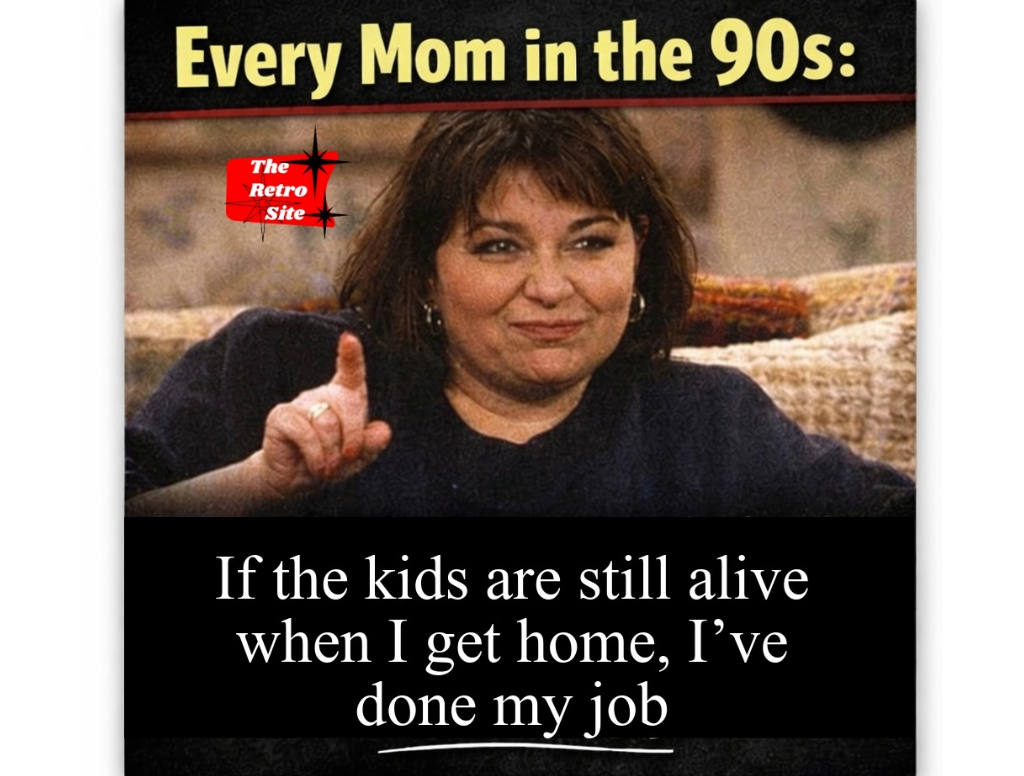
If the kids are still alive when I get home, I’ve done my job

Did your mom have a favorite saying? Share them in the comments!

The line often shared online — “If the kids are still alive when I get home, I’ve done my job” — is widely associated with Roseanne Barr and her iconic working-class mom persona. While it perfectly captures the tone of her humor, there is no confirmed record of this exact quote appearing in a specific episode of Roseanne or a documented stand-up routine.

Still, the reason the quote sticks is simple: it sounds exactly like her. In the 1980s, Barr’s stand-up comedy pushed back against the unrealistic “perfect mother” image that dominated television. Instead of spotless homes and flawless parenting, she delivered something different — sarcasm, exhaustion, and honesty. Her comedy gave voice to parents who were simply trying to get through the day, not win awards for perfection.

That same mindset carried into Roseanne, where the Conner family became one of television’s most relatable households. The show didn’t shy away from financial stress, messy homes, or parenting struggles. It reflected real life, and audiences responded because they saw themselves in it.

So while the quote itself may not be officially documented, its meaning is authentic to the era and to Barr’s impact. It represents a shift in how parenting was portrayed — less about perfection, and more about survival, humor, and keeping things together one day at a time.

#Roseanne #RetroTV #90sSitcom #ParentingHumor #RealLifeMom #ThrowbackTV #WorkingClass #TVHistory #Nostalgia #TheRetroSite

Have You Retired And Return Back To Work?

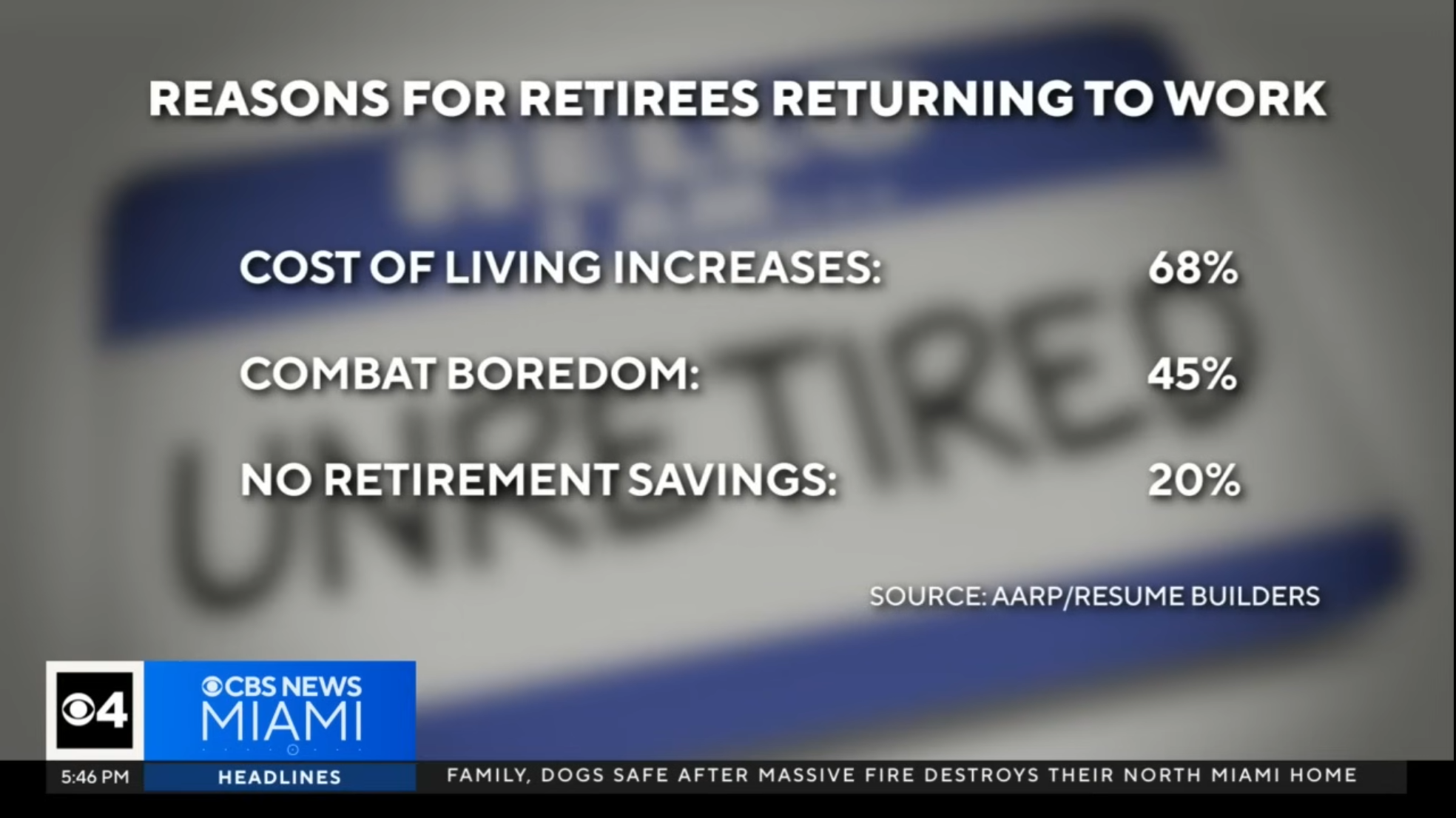
Have you ever found yourself stepping back into the workforce after retirement? You’re not alone. In Florida, a growing number of retirees are returning to work in 2025, driven by financial pressures and a desire for engagement.

Rising Costs Prompt Return to Work

A Resume Builder survey indicates that 13% of retirees aged 65 to 85 plan to reenter the workforce this year. Among them, 51% cite the escalating cost of living as the primary reason, while 37% report having no retirement savings. MoneywiseCBS News

Take the case of Janette Campbell, a retired teacher from Miami. Facing challenges in affording her mortgage and groceries, and supporting an ill husband and a grandson with autism, she felt compelled to seek employment again. CBS News+1Moneywise+1

Financial Strains on Fixed Incomes

Many seniors rely solely on Social Security, which has seen a decline in purchasing power. Maritza Lopez of AARP’s Community Service Employment Program notes that some retirees receive as little as $500 to $1,000 monthly, insufficient to cover rising expenses. CBS News+3Tampa Bay Times+3The Motley Fool+3CBS News

The Motley Fool reports that 62% of retirees have reduced nonessential spending due to inflation, with 44% struggling to afford groceries and 40% facing difficulties with utility bills. The Motley Fool

Housing Costs Add to the Burden

Florida’s housing market has seen significant increases. The median home sale price reached $411,100 in December 2024, up from approximately $250,000 five years prior. Condo association fees in Miami-Dade County have also surged, with median monthly fees rising to $900, a 59% increase since 2019. CBS News+1Moneywise+1Moneywise

Seeking Purpose Beyond Finances

Not all retirees return to work solely for financial reasons. Philip Williams, a former grants administrator, now works part-time at a charter school in Miami Springs. While he doesn’t need the income, the role keeps him engaged and supports his passion for playwriting. CBS News+1Moneywise+1Moneywise+1CBS News+1

This trend, sometimes referred to as the “Quiet Return,” highlights a shift where retirees seek both financial stability and meaningful engagement. As Julia Dattolo of CareerSource Palm Beach observes, seniors return to work due to economic necessity, the desire for social interaction, and personal interest. Broward CountyMoneywise+1Broward County+1

Exit mobile version