online community focused on sharing and reminiscing about video, audio, and images that stir our memories of the past – old television, theme songs, commercials, print advertisements, the sights and sounds you remember
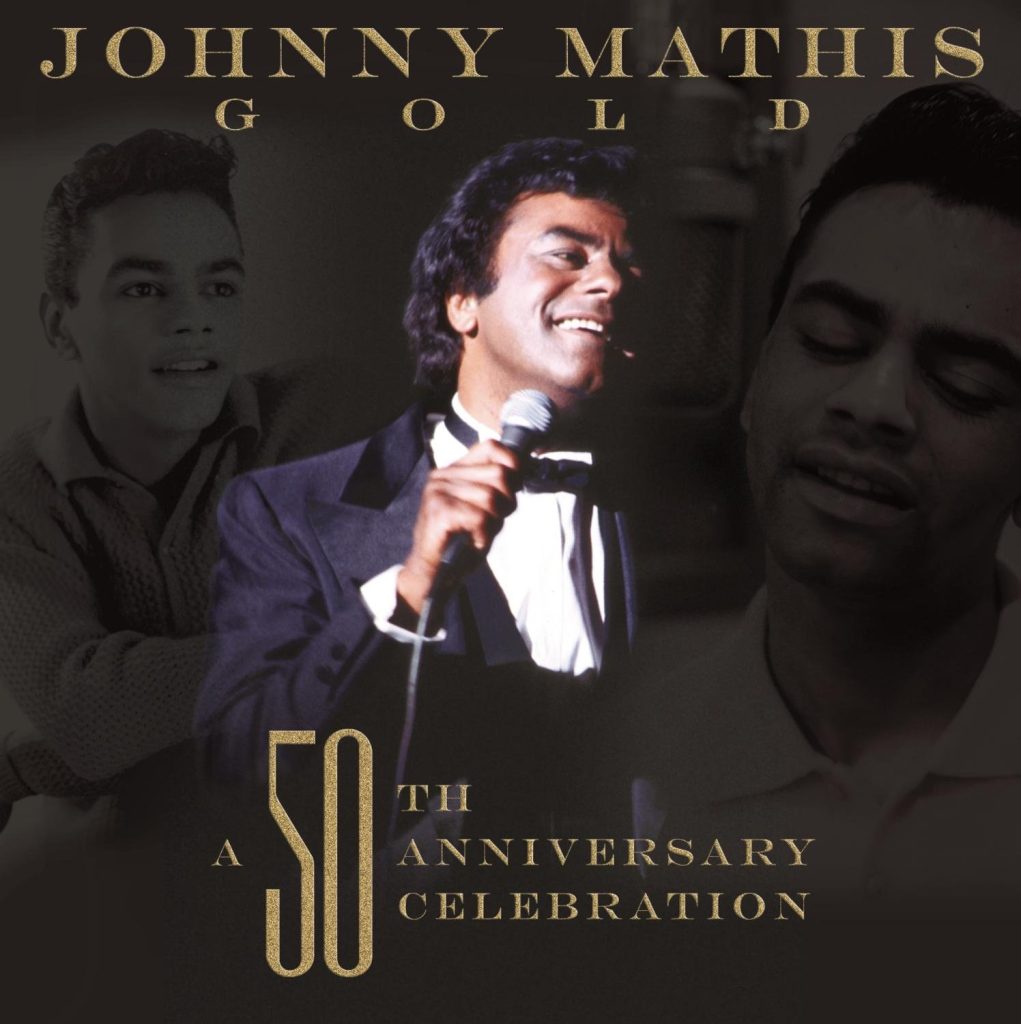
Johnny Mathis performing in October 2024 at Flagstaff, Arizona.
After more than seven decades of serenading audiences with his velvety voice, Johnny Mathis, the iconic crooner, has announced his retirement. Known for timeless classics like Chances Are, Misty, and Wonderful! Wonderful!, Mathis has been a defining voice in American music since the 1950s.
At 88 years old, Mathis has continued to perform tirelessly, delighting fans with his signature blend of jazz, pop, and romantic ballads. His influence spans generations, with a career that includes over 360 million records sold worldwide, making him one of the best-selling recording artists of all time.
Mathis’ decision to step away from the stage marks the end of an era for fans who have cherished his smooth vocals and heartfelt performances. Though he will no longer tour, his vast catalog of music ensures that his legacy will live on. From his Christmas albums that have become holiday staples to his enduring love songs, Johnny Mathis’ contributions to music are immeasurable.
As he bids farewell to the spotlight, Mathis leaves behind a remarkable legacy—one that will continue to enchant listeners for generations to come.
For over 50 years, Lite-Brite has been a beloved toy that has captivated children and adults alike. With its simple yet innovative design, this glowing masterpiece allows users to create vibrant, illuminated images using small colored pegs. But beyond being a nostalgic favorite, some versions of Lite-Brite have become valuable collector’s items, fetching hundreds of dollars in the resale market.
The History of Lite-Brite
Lite-Brite was invented in 1967 by Joseph M. Burck, a designer at Hasbro. Inspired by the dazzling effect of stained-glass windows, Burck wanted to create a toy that let children “paint with light.” The first models came with a lightbox, a black perforated screen, and colored translucent pegs that, when placed, created glowing images.
The toy became an instant success, with Hasbro releasing character-themed templates featuring Mickey Mouse, Scooby-Doo, and other popular figures. Over the years, Lite-Brite has evolved into digital versions, LED models, and even app-based designs, ensuring its continued relevance in a modern, tech-driven world.
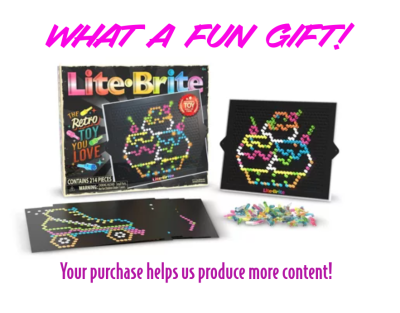
The Lite Brite is still made and sold today! Pick up one with the same retro aesthetics here!
Westport, CT – The Westport Library played host to a historic moment as legendary musician Keith Richards was honored with the inaugural Connecticut Governor’s Award of Excellence. The award, which recognizes Connecticut residents who exemplify the state’s values of creativity, resourcefulness, passion, dynamism, and generosity, was presented by Governor Ned Lamont in a ceremony attended by local dignitaries and community members.
Bill Harmer, Executive Director of the Westport Library, opened the event by emphasizing the significance of both the award and its first recipient. “Keith Richards is a man whose legacy transcends music, community, and culture,” Harmer said. “His impact here in Connecticut is immeasurable.”
Richards, who has been a resident of Connecticut since 1985, has been actively involved in supporting various community initiatives, including the Prospector Theater in Ridgefield, which provides inclusive employment opportunities for people with disabilities. His contributions to the arts and education accessibility in the state were highlighted as key reasons for his selection as the first recipient of the prestigious award.
The Governor’s Award of Excellence comes with a custom-designed medallion created by State Trooper Danny Carbalhal and manufactured by the Connecticut Center for Advanced Technology. The ribbon for the award was designed and sewn by Enfield-based fashion designer Justin Haynes.
During his remarks, Governor Lamont spoke about Richards’ deep ties to Connecticut and his influence on both culture and civic life. He recalled the iconic moment when the Rolling Stones performed an impromptu set at Toad’s Place in New Haven decades ago and reflected on Richards’ journey to Connecticut with his family in search of a quieter life. Lamont also humorously noted that Richards’ music has served as his personal inspiration in decision-making as governor.
Upon receiving the award, Richards expressed gratitude to the state and its people. “I’ve been here for about 40 years, and it’s been a great place for me and my family,” he said. “I’m incredibly happy about everything, especially things like this because you don’t get them every day.”
In addition to the Governor’s Award, Richards was presented with a special surprise—his own Westport Library card, recognizing his appreciation for libraries as institutions of knowledge and equality.
The ceremony concluded with a celebration of Richards’ legacy, not only as one of rock and roll’s greatest musicians but also as a dedicated member of the Connecticut community.
Here is the voting machine I remember most. In my school, they were kept by the custodian’s office and we thought we were so clever discovering where they store them. They’d wheel them out the night before election day and set them up in the gymnasium. I also remembered when the bars had to remain closed until the polls closed so the “drink” would have an influence on the person’s vote.
There was nothing more magical than taking your kids to ToysRUs where there were toys as far as the eye could see. Watching them dart from one end of the aisle to the next in sheer excitement was such a joy to witness. Somehow I don’t see how online shopping can be as magical.
At its peak in 2000 ToysRUs had over 1,600 stores worldwide. ToysRUs failed to capitalize with an online prescience which accelerated its demise. The company also faced financial difficulties due to high debt levels resulting from a leveraged buyout in 2005. n 2017, Toys “R” Us filed for bankruptcy protection in the United States and Canada. Despite efforts to reorganize Toys “R” Us announced in March 2018 that it would liquidate its U.S. operations and close all of its stores. There is a ToysRUs.com now, but somehow it’s not the same as seeing the magic in your kids’ eyes at the store.
As answering machines became increasingly integrated into everyday life, some individuals sought to go beyond the standard outgoing message of “Hi, I’m not home, but leave a message and I’ll call you back.” These nonconformist answering machine users desired outgoing messages that better reflected their personalities. For those aiming for a detached coolness, a deadpan “You know what to do” was often sufficient. Those with a mischievous sense of humor commonly employed the timeless trick of answering with a simple “Hello?” followed by a deliberate pause, tricking incoming callers into thinking they were speaking to a live person before the “I’m not here” message resumed. Zing! Many others took it a step further by creating their own humorous skits or songs, much like George Costanza from Seinfeld.
But what about those who wanted to elevate their outgoing message game without putting in the creative effort themselves? In the mid-1980s, a range of pre-recorded cassettes featuring mildly funny bits, including songs in various music styles, became readily available to fill this market gap.
Among the selection, one cassette tape stood out from the rest: Crazy Calls. If you were an avid TV viewer in the mid to late ’80s, you probably recall the commercials for Crazy Calls—a 7-track cassette tape that sold for $14.95, plus $3 for postage and handling. To make a purchase, you could either call an 800 number with a credit card or, with a bit more patience, send a check or money order to a P.O. box in New York City.
The commercials seemed to air incessantly, resulting in snippets of the songs and gags on the tape etching themselves permanently into the memories of numerous TV enthusiasts of that era. Consequently, Crazy Calls has become a frequent reference in ’80s nostalgia within popular culture. It has been mentioned on shows like The Simpsons and Family Guy, and even the 1980s-themed sitcom The Goldbergs dedicated an entire episode titled “Crazy Calls” in 2016, paying homage to the cassette.
The creators of Crazy Calls, Mitch and Ira Yuspeh, are still active in the music industry. They offer recording services and more through their recording studio and production company based in New York City. They also maintain a website dedicated to Crazy Calls, proudly noting that the cassette sold over a million copies through its television campaign.
Founded in in 1921 by 2 brothers RadioShack grew into a prominent retailer with thousands of stores across the United States. During its heyday in the 1970s and 1980s, RadioShack was a go-to destination for electronics hobbyists, providing a wide range of electronic parts, kits, and components. However, starting in the late 1990s, RadioShack faced several challenges that eventually led to its demise like online shopping. Practically everything on your smartphone replaced the products from Radio Shack.
Understanding the need for change, the employees in this commercial embark on a comedic mission to transform the store into a modern and up-to-date retail space. In 2015, RadioShack filed for bankruptcy and announced the closure of over 2,000 stores. In 2017, RadioShack filed for bankruptcy for the second time and announced the closure of over 1,000 stores. Since then, the brand has made occasional attempts to re-emerge as an online-only retailer, focusing primarily on e-commerce sales.
ABC Sunday Night Movie was a TV staple from 1962 to 2004
The program presented theatrical feature films airing on TV for the first time, often edited for time.
It provided viewers with the opportunity to watch a wide variety of movies from different genres.
The exact movie lineup varied from week to week, so viewers could expect to see a mix of new releases, beloved classics, and occasional made-for-television movies.
The advent of such cable television networks as HBO, Cinemax along with VCRs led to the decline of theatrical films regularly airing
The Bic Banana pen was a writing instrument introduced by Bic Corporation in the 1970s. The pen was distinctive for its shape, which resembled a banana, and its bright yellow color. The concept behind the Bic Banana pen was to create a fun and unique writing tool that would appeal to both children and young adults.
The Bic Banana pen was marketed as a fun and playful writing instrument. The marketing campaign featured bright and colorful advertisements that showcased the unique shape and design of the pen. The advertisements also emphasized the durability and reliability of the pen, highlighting Bic’s reputation for quality writing instruments.
The Bic Banana pen was a popular item in the 1970s and 1980s. However, its popularity began to decline in the 1990s the novelty of the Bic Banana pen began to wear off, and it became less appealing to consumers.
Despite its decline in popularity, the Bic Banana pen remains a unique and memorable writing instrument. It is often sought after by collectors and enthusiasts who appreciate its playful design and nostalgic appeal. Today, the Bic Corporation continues to produce a wide range of writing instruments, but the Bic Banana pen has been discontinued and is no longer available for sale.