

This was a little before my time, but I certainly remember my parents and other adults saying, “What is this, some sort of Peyton Place?”
For years I understood what they meant even if I didn’t really know why they were saying it.
Take a look at this 1964-65 opening to Peyton Place. A church steeple. Bells ringing. A peaceful little New England town. Then that wonderfully serious voice announces, “This is the continuing story of Peyton Place.”
Everything looks so respectable.
And that was the joke.
Behind those neat houses and small-town manners were affairs, family secrets, violence, alcoholism, mental breakdowns and murder. Peyton Place became so culturally famous that the name itself turned into shorthand for a seemingly respectable place where everybody had something going on behind closed doors. New Hampshire Magazine notes that “Peyton Place” had already become a synonym for scandal after Grace Metalious’ hugely successful 1956 novel.
The television version arrived on ABC on September 15, 1964, starring Dorothy Malone, Mia Farrow, Ryan O’Neal, Barbara Parkins and Ed Nelson. It was revolutionary television — a continuing prime-time story airing not once but twice each week. It became so popular that ABC eventually bumped it up to three nights a week.
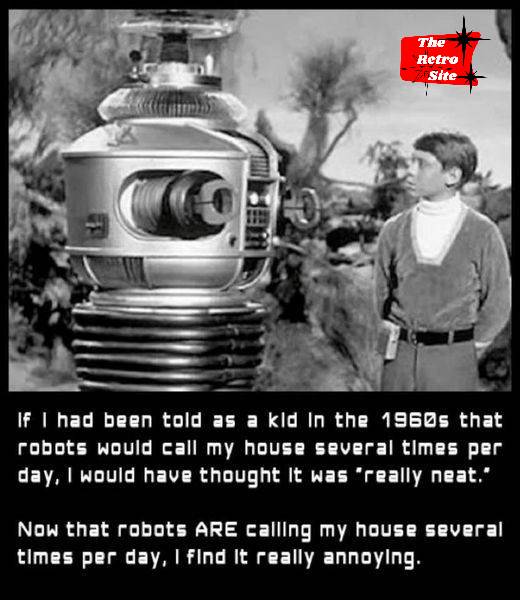
And here’s something I never knew about this opening. The announcer is Dick Tufeld. One year later, television audiences would know that same voice as the Robot on Lost in Space — yes, the man behind “Danger, Will Robinson!”
Even the music has history. The theme was composed by Franz Waxman, who had also scored the 1957 Peyton Place movie.
The series lasted until June 2, 1969, producing an incredible 514 episodes.
But I think its greatest legacy may be that the show’s name escaped television entirely.
For a whole generation, you didn’t need to explain the gossip, secrets or drama.
You just called the place “Peyton Place.”
Do you remember your parents saying that — and did you know what they meant even if you’d never watched the show?