The Pruitts Of Southampton

https://www.theretrosite.com/wp-content/uploads/2026/04/0000000-1.mp4

Oh, I can hear my mother singing along with Phyllis Diller on this one! Thanks to the viewer who requested this last week, it brought back a forgotten memory!

The Pruitts of Southampton was one of those 1960s sitcoms that had a wild setup and an even wilder star. It aired on ABC during the 1966-67 season and starred Phyllis Diller as Phyllis Pruitt, a supposedly rich Southampton widow trying to keep up appearances after the IRS discovers the family is actually broke. Instead of losing everything, she has to keep living like high society while secretly cutting corners and trying to hold the whole mansion together.

The show had a pretty impressive cast around her too, including Gypsy Rose Lee, Richard Deacon, Reginald Gardiner, and even Lisa Loring, who many of us remember as Wednesday from The Addams Family. Later in the season, the show was renamed The Phyllis Diller Show, but it still only lasted one season.

And yes, that catchy theme had a familiar name behind it: Vic Mizzy, the same composer who gave us The Addams Family theme. That probably explains why so many people remember the tune even if they barely remember the show itself. It was loud, silly, a little over-the-top, and totally Phyllis Diller. For a short-lived sitcom, it sure found a way to stick in people’s heads.

#ThePruittsOfSouthampton #PhyllisDiller #ClassicTV #RetroTV #1960sTV #TVNostalgia #TheRetroSite #BabyBoomerMemories #VintageTelevision #TVThemeSongs

Oscar Mayer Weiner Ad

https://www.theretrosite.com/wp-content/uploads/2026/04/04161-1.mp4

Another jingle to get stuck in your head! The Oscar Mayer wiener jingle was written by Richard D. Trentlage, a Chicago advertising jingle writer. He came up with “Oh, I wish I were an Oscar Mayer wiener…” in 1962 for an Oscar Mayer contest, and it became one of the most famous commercial jingles ever

The king of jingles sang but did not write “Meet the Swinger… Polaroid Swinger…”

https://www.theretrosite.com/wp-content/uploads/2026/04/04161.mp4

If you grew up in the 60s, you remember it instantly: “Meet the Swinger… Polaroid Swinger…” That jingle didn’t just sell a camera, it stuck in your head for life.

Introduced in 1965, the Polaroid Swinger was designed to make photography easy and fun. It sold for $19.95 back then, which works out to about $190–$200 in 2026. With its simple “YES/NO” meter and instant photos, it made anyone feel like they knew what they were doing.

The commercials showed carefree young people at the beach and on bikes, capturing moments on the spot. A young Ali MacGraw even appeared before she was famous, helping give the campaign that youthful vibe.

And that jingle? Sung by Barry Manilow, with music by Mitch Leigh and lyrics by Phyllis Robinson, it became one of the most memorable ad tunes of the era.

Bottom line, the Swinger didn’t just sell a camera. It sold a feeling. And decades later, that tune is still stuck in our heads.

Who Remembers The Flying Nun?

https://www.theretrosite.com/wp-content/uploads/2026/04/0-flying.mp4

If you grew up flipping channels back in the late 60s, there’s a pretty good chance you landed on The Flying Nun at least once… and probably did a double take. I mean, a nun that could fly? Even as a kid, you knew this one was a little different. The show starred a very young Sally Field as Sister Bertrille, a small, light nun whose cornette—those big winged headpieces—would catch the wind just right and lift her right off the ground. And just like that, she was flying over the convent in Puerto Rico like it was the most normal thing in the world.

Now looking back, it was one of those shows that didn’t try too hard to explain itself, and honestly, that was part of the charm. It ran from 1967 to 1970, right in that era where TV was full of quirky, feel-good concepts. And believe it or not, Sally Field wasn’t exactly thrilled about the role at the time, but it ended up being the stepping stone that launched a pretty incredible career. For a lot of us, though, it’s just one of those “you had to be there” kind of shows—simple, a little goofy, and something the whole family could sit around and watch together.

Sammy Davis Jr. Puts His Spin on “Plop Plop, Fizz Fizz”

https://www.theretrosite.com/wp-content/uploads/2026/04/0sammy.mp4

If you grew up in the early 1970s, you didn’t just watch commercials… you experienced them. And when Sammy Davis Jr. showed up singing “Plop Plop, Fizz Fizz,” it felt less like an ad and more like a mini performance right in your living room. This wasn’t just someone reciting a jingle — this was Sammy bringing that full stage presence, the same energy he gave in Vegas, and dropping it into a few unforgettable seconds of television.

By 1973, the Alka-Seltzer jingle was already a household staple, written by Tom Dawes back in the late ’60s. But Sammy’s version gave it new life. He added swing, personality, and that unmistakable charm that made you stop what you were doing and watch. In an era when commercials leaned heavily on catchy tunes and big personalities, this one hit the sweet spot. You remembered the performance first… and somewhere right behind it, the product.

That was the magic of those days. The whole house would pause — parents, kids, whoever was in the room — because you knew something fun was coming. And decades later, it still works. Just reading the words “Plop Plop, Fizz Fizz” probably brought the whole thing rushing back.

Mystery Date

https://www.theretrosite.com/wp-content/uploads/2026/04/0mystery.mp4

If you grew up in the 60s or caught reruns later on, that first Mystery Date commercial was one of those you didn’t forget. It came out right around 1965, and the whole hook was simple but genius—pick your outfit, open the door… and find out if you got the “dreamy date” or the dreaded “dud.”

Who remembers the Ford Country Squire Station Wagon?

https://www.theretrosite.com/wp-content/uploads/2026/04/wagon.mp4

Who remembers the Ford Country Squire Station Wagon? It was our version of the minivan. We called the seating “the way back seats”. Makes sense since there was no known name for that seating back then. I don’t remember if the nauseous feeling riding in the “way back seats” was from the exhaust fumes getting in, or the cigarette fumes from my parents in the front seat. Maybe it was facing the wrong direction while driving. Either way, I still fought my brothers to sit in the “way back”! I remember the trips to the stores, the first time at the carnival, and even a drive-in movie! Did your family have a station wagon? What memories are associated with it?

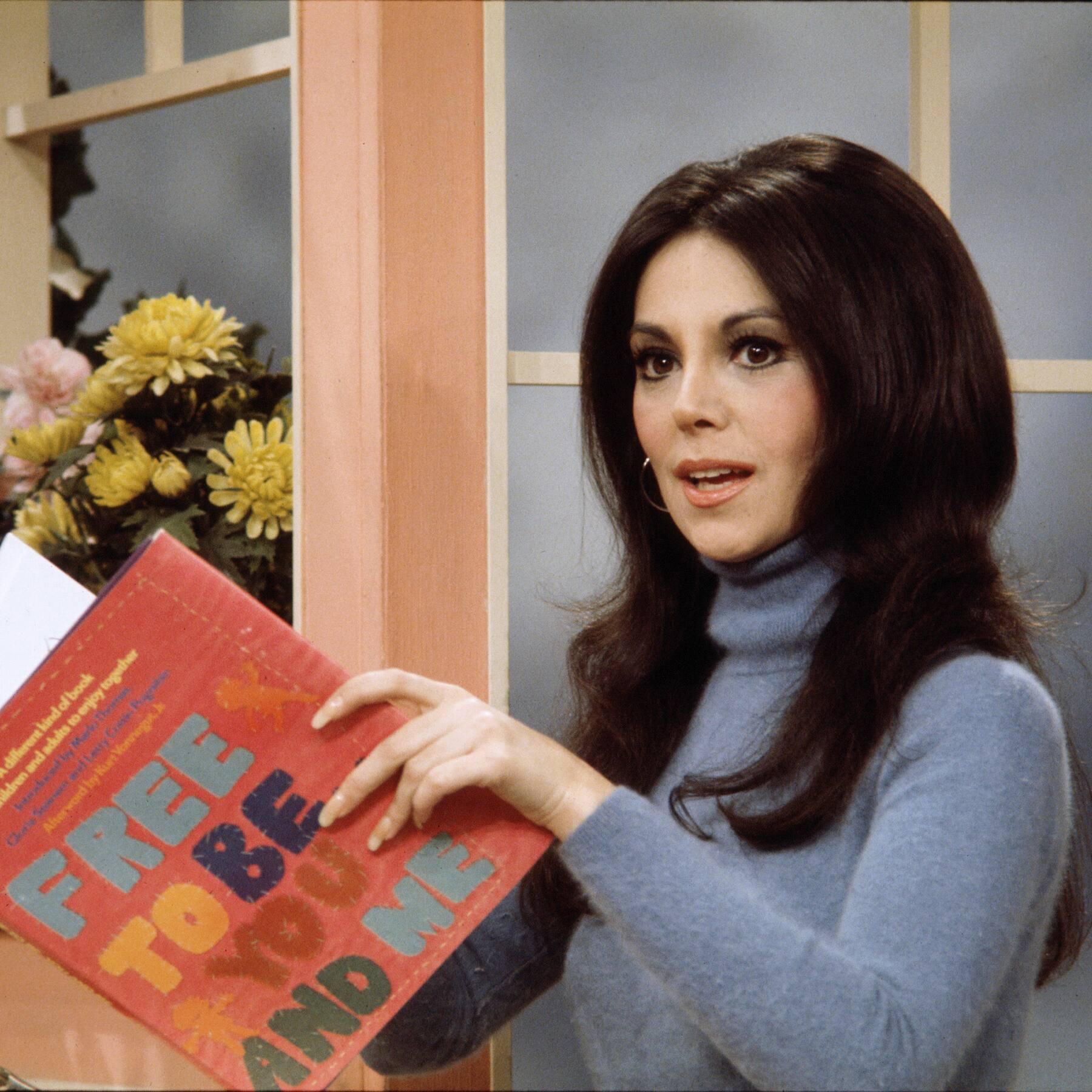
Free to Be… You and Me.

https://www.theretrosite.com/wp-content/uploads/2026/04/Free-To-Be-You-And-Me.mp4

This whole thing was put together by Marlo Thomas, and you’ve gotta give her credit—it wasn’t just entertainment, it was a message. She wanted something different for kids… something that said you didn’t have to fit into a mold.

Now I’ll be honest, I didn’t realize until later just how many big names were actually part of this. We’re talking a young Michael Jackson—before he became the global superstar—teaming up with Roberta Flack on “Be a Lion.” And then you had Cicely Tyson in the TV special, bringing that powerful, grounded presence she always had.

But what really made this stand out wasn’t just the names… it was the message.

This came out in the early 70s, a time when things were starting to change, and instead of just entertaining kids, it was actually talking to them. It was telling you it’s okay to be yourself, okay to feel what you feel, and you didn’t have to fit into some box just because that’s how things always were.

And the way they did it—with music, stories, and voices you recognized—it just stuck. You might not have even realized what it was doing at the time, but looking back, it was kind of ahead of its time.

So before we even get into it… how many of you remember this one? And did you realize back then who you were actually listening to?

Johnny Quest

https://www.theretrosite.com/wp-content/uploads/2026/04/0-jq.mp4

Back in the mid-60s when Hanna-Barbera put this out, it wasn’t your typical cartoon. This felt different. It wasn’t just silly characters running around… this felt like a full-on adventure series. With the coolest sounding sound effects and an intro that was over a minute and thirty seconds, you knew you were in for something different!

You had Jonny, his dad Dr. Quest, Race Bannon—who every kid thought was the coolest guy alive—and then Hadji. And let’s be honest… Hadji was the one that really stuck with you. The mystery, the magic, that calm voice… he brought something totally different to the show.

What I remember most is how serious it felt. There were real dangers, real villains, and some episodes honestly felt a little intense for a cartoon back then. You didn’t just watch it… you kind of leaned in. It felt like you were going on the adventure with them.

And the music… that opening theme? You hear that today and it still pulls you right back. That’s how you know it stuck.

This wasn’t background TV. This was the kind of show where if it came on, you stopped what you were doing. No rewind, no streaming… you missed it, you missed it.

So I’m curious on this one… were you watching Jonny Quest when it aired, or did you catch it later in reruns? And where do you rank it compared to the other cartoons from that era?

Because for me… this one felt a step above.

The FBI- And Who The Heck Was Efrem Zimbalist Jr?

https://www.theretrosite.com/wp-content/uploads/2026/04/00fbi.mp4

If you grew up in the late 1960s, chances are you remember The F.B.I.. It wasn’t flashy—it just felt real, and that’s what made it work. It was more or less my mom’s show; she watched it, and for me, it was the only decent thing on TV.

What made it stand out was Efrem Zimbalist Jr.. He brought a quiet authority to Inspector Lewis Erskine—calm, believable, and never over the top. While other actors leaned into drama, he leaned into restraint, and that made him unforgettable. Now here’s something a lot of people don’t realize. Zimbalist didn’t come from a typical Hollywood background. His father, Efrem Zimbalist Sr., was one of the most respected classical violinists of his time. Born in Russia, he became an international music star and later served as director of the prestigious Curtis Institute of Music in Philadelphia. So while the son became a television icon, the father was already a legend in a completely different world.

The show aired on ABC from 1965 to 1974, starting on Sunday nights before moving around the schedule. Its realism was helped by cooperation with the real FBI, giving it a grounded, procedural feel.

Exit mobile version