Lassie

https://www.theretrosite.com/wp-content/uploads/2026/05/0-lassie.mp4

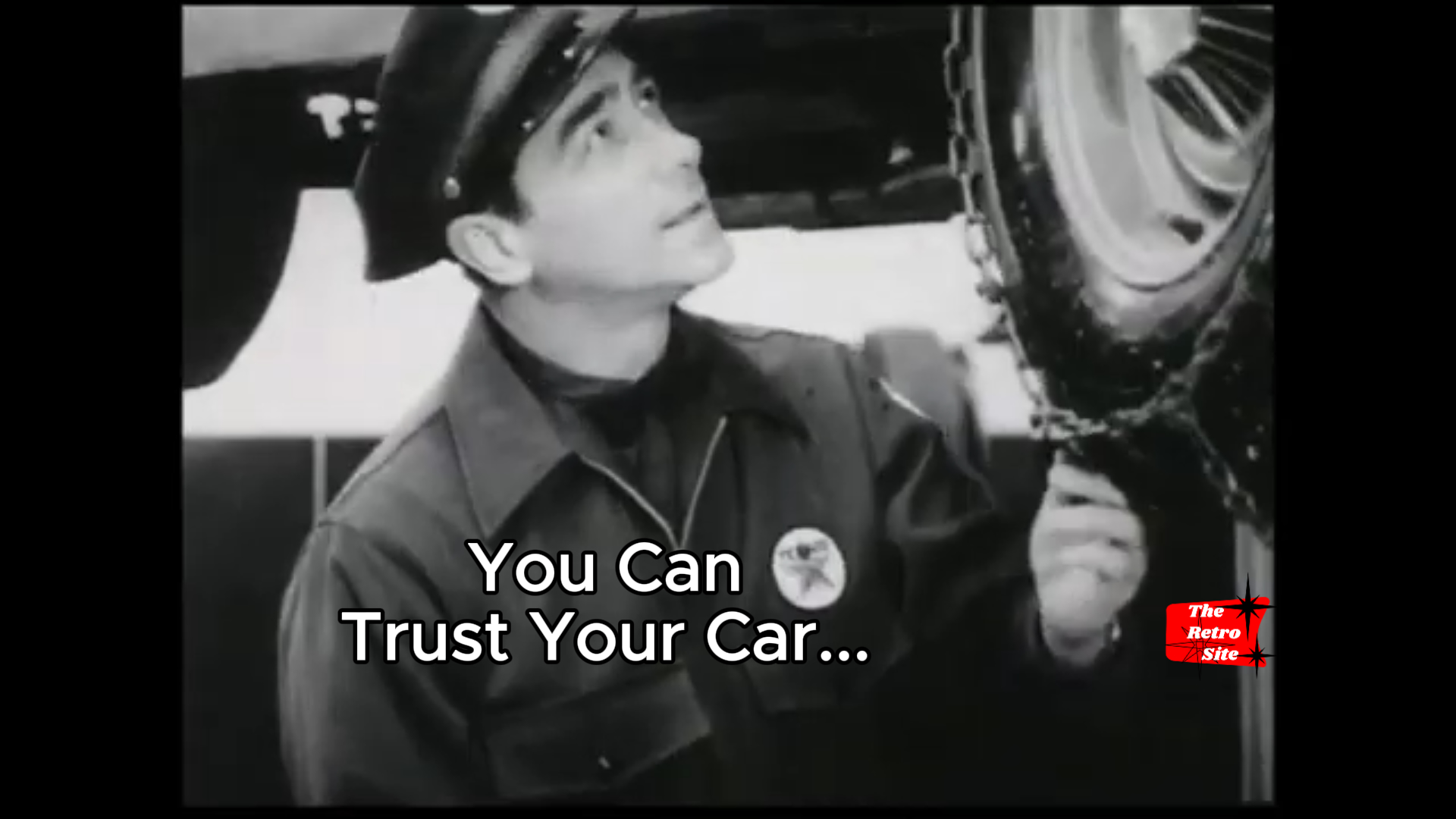
Just hearing the opening whistle brings back a flood of childhood memories of Lassie.
As a kid, I vowed that one day I would get a collie and name her Lassie. Yeah, that never happened. I also didn’t get a dolphin and name it Flipper. But back then, Lassie made it seem like every problem could be solved with loyalty, courage, and a very smart dog who somehow always knew exactly where to go for help.
By 1959, Lassie was deep into the Timmy Martin years, with Jon Provost playing Timmy, June Lockhart as his mother, Ruth Martin, and Hugh Reilly as his father, Paul Martin. June Lockhart would later become another famous TV mom as Maureen Robinson on Lost in Space, but to me, she would always be Lassie and Timmy’s mom.
No matter how serious the problem was, everything seemed to get wrapped up neatly within the 22 minutes of the show. Someone could be lost, trapped, injured, or in danger, and somehow Lassie would bark, run, lead the adults to the right place, and make everything okay again.
And yes, Timmy actually did fall down a well, even though the old joke makes it sound like it happened every week. It happened in the 1960 episode “The Well,” where Timmy ends up trapped and, of course, Lassie has to get help. That one moment became the running gag everyone remembers: “What’s that, Lassie? Timmy fell down the well?”
Having a rough childhood, I always wished I had Timmy’s family. There was something comforting about that show, even if life was not really like anything we saw on TV. The Martins seemed steady, kind, and safe, and Lassie was always there watching over everyone. For a kid, that kind of world was easy to want.
Well, at least I have my cat Chassie, and yes, calling her reminds me of Lassie.

Lily Tomlin, the Rat Race, and the Comedy That Questioned It All

Lily Tomlin rose to national fame on Rowan & Martin’s Laugh-In, where her unforgettable characters—especially Ernestine, the sharp-tongued telephone operator—took aim at corporate culture and the absurdities of everyday life. With biting wit and a playful delivery, Tomlin made audiences laugh while quietly exposing the frustrations of modern systems and institutions.

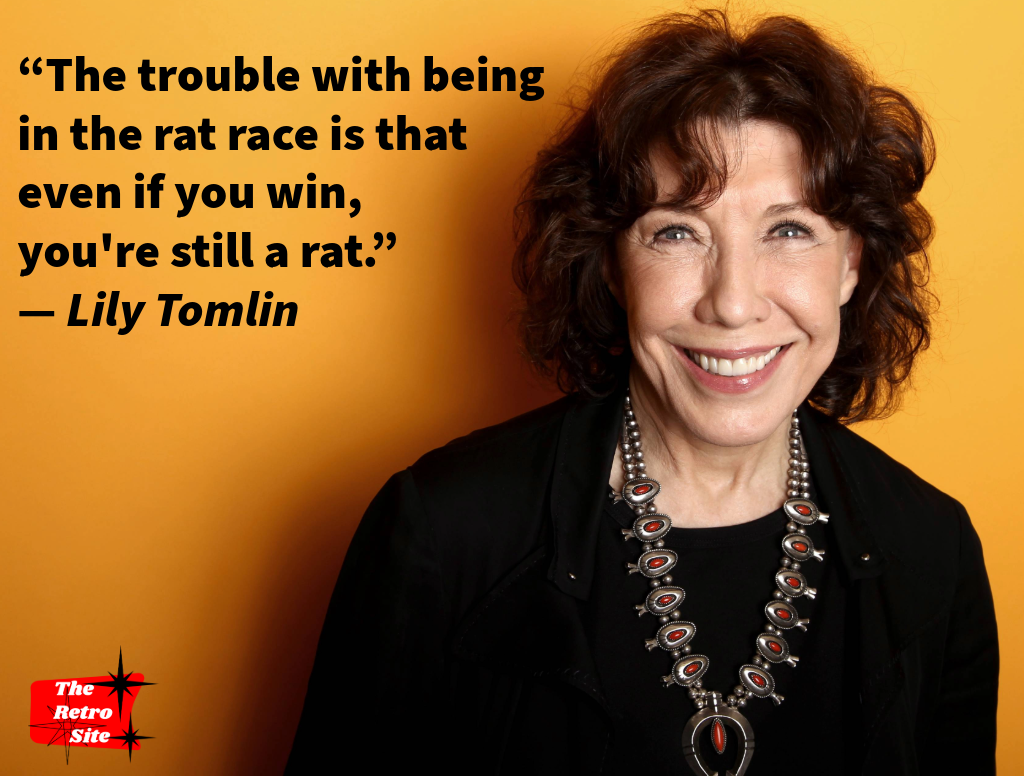
Her famous quote, “The trouble with being in the rat race is that even if you win, you’re still a rat,” perfectly reflects the cultural mood of that era. During the late 1960s and early 1970s, comedians were increasingly challenging traditional ideas about success, conformity, and the so-called American Dream. Tomlin stood out by blending humor with insight, offering commentary that was both relatable and thought-provoking.

While there is no widely confirmed record of exactly when or where she first delivered the line, it is believed to have circulated during her early stand-up routines and television appearances in that period. Like much of her work, the quote captures a broader truth rather than a single moment—one that continues to resonate in conversations about ambition, identity, and what it really means to “win.”

Exit mobile version